How Often Should Small Businesses Email Their List
Finding the sweet spot between staying top-of-mind and annoying your subscribers is a vital skill. This guide breaks down frequency and timing for small business growth.
In a nutshell
Small businesses should aim for at least one high-quality email per month to maintain brand recognition, with once a week being the 'sweet spot' for most sectors. The key is consistency over volume, ensuring every message adds tangible value to the recipient.
Understanding the Importance of Email Consistency
For small businesses, your email list is one of your most valuable assets. Unlike social media algorithms, email allows you direct access to a person's inbox. Determining how often should small businesses email their list is not just about quantity; it is about building a habit of communication that establishes trust.
Many business owners fear that emailing too often will lead to high unsubscribe rates. While this can happen, the greater risk for many is "list decay"—where subscribers forget who you are because you do not email them for months. When you finally do send an update, they are more likely to mark it as spam because the brand connection has cooled.
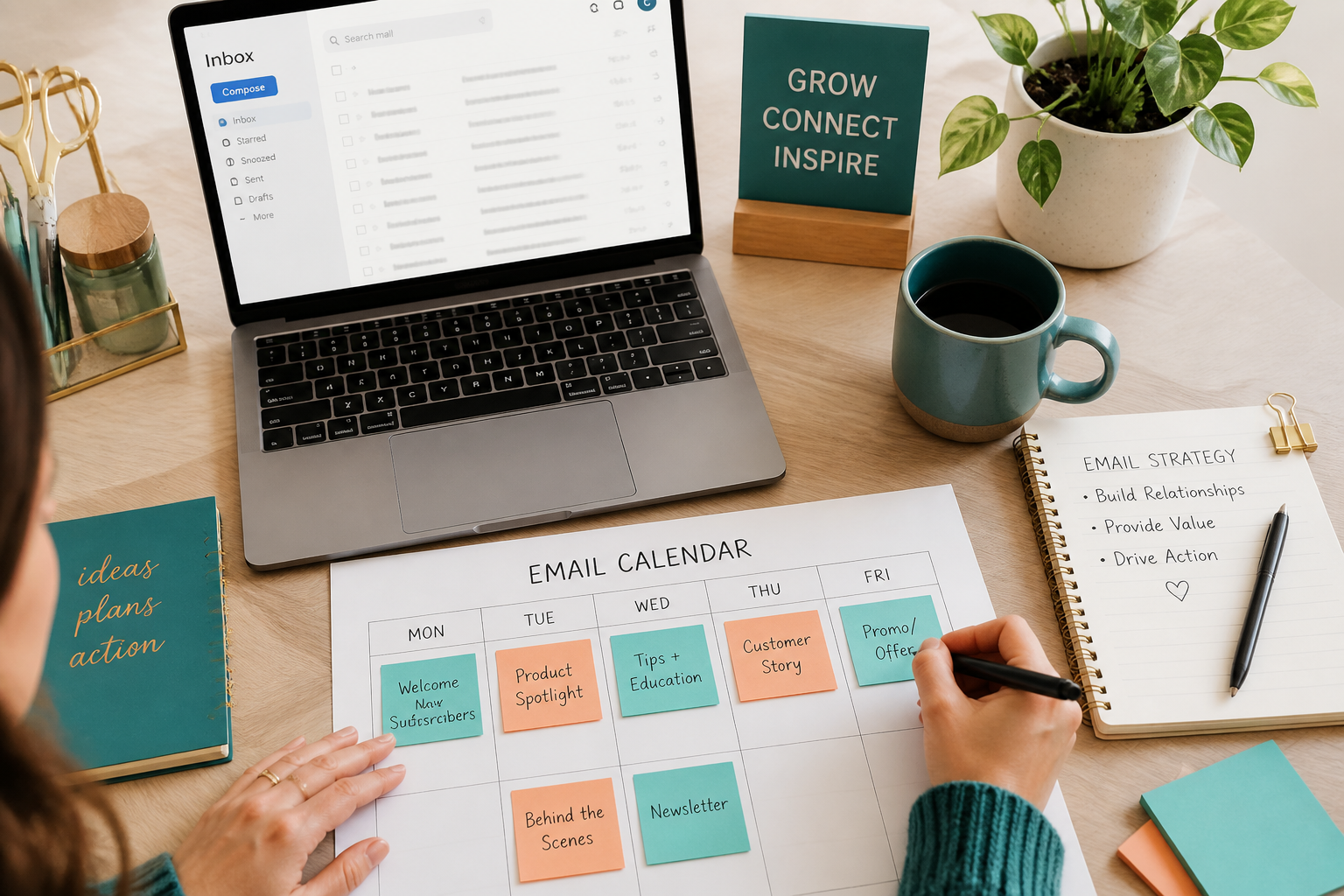
- Monthly: The bare minimom to stay relevant.
- Fortnightly: Excellent for newsletters and updates.
- Weekly: The gold standard for driving consistent sales and engagement.
The Factors That Influence Email Frequency
There is no one-size-fits-all answer because frequency depends heavily on your industry, the typical customer journey, and the type of content you share. A news-based business might email daily, whereas a high-ticket service provider may only need to reach out once every two weeks.
Consider the "Value vs. Volume" rule. If you increase your volume, you must maintain your value. If the quality of your content drops, your frequency must drop too. Small businesses often find that child care websites with integrated lead magnets perform better when followed by a structured automated sequence rather than just random blasts.
- Audience expectations: Did they sign up for daily deals or a monthly digest?
- Content availability: Do you actually have something meaningful to say?
- Resources: Do you have the time to write, test, and monitor your emails?
The Goldilocks Zones of Email Frequency
Finding the frequency that is "just right" involves monitoring your data. Most small businesses should start with a monthly newsletter and gradually move to bi-weekly communication. This allows you to measure open rates and click-through rates (CTR) to see if your audience remains engaged.
If you see your open rates dropping as you increase frequency, it is a sign to pull back or improve your subject lines. Conversely, if your CTR remains high, your audience likely wants more from you. This data-driven approach is a core part of effective SEO and digital marketing strategies for growing brands.
Want this done for you?
Book a free Business Review Session and we'll map out exactly how to apply this to your setting.
Book my session →Example 1: The Child Care Center Inquiry Sequence
In the world of early learning, the "customer journey" is often emotional and research-heavy. Whether you run a daycare in the US, a daycare in the US, or a child care center in Australia, timing is everything when a parent first inquires.
For a new lead, the frequency should be high initially. A typical sequence might include an immediate welcome email, a follow-up two days later with a virtual tour or parent testimonials, and a final check-in on day five. This high-frequency start ensures your daycare marketing efforts convert leads before they look elsewhere.
Example 2: The Monthly Educational Newsletter
Once a family is on your "nurture" list (but hasn't booked yet), a lower frequency is better. A monthly educational newsletter works globally. You might share tips on child development, nutrition, or local community events.
This approach builds authority without being pushy. By sending this consistently, you ensure that when a parent is ready to choose a provider, your name is the first one they think of. This is a primary driver for child care business growth as it keeps your pipeline full without expensive ad spend.
Avoid the Spam Folder: Quality Over Quantity
Technical health is just as important as frequency. If you email five times a week but your content is irrelevant, recipients will hit the 'spam' button. This damages your sender reputation, making it harder for your emails to reach the inbox in the future.
Always include a clear unsubscribe link and ensure your emails are mobile-responsive. A small business that sends one beautiful, helpful email every three weeks will always outperform one that sends three messy, broken emails every week.
Testing and Optimising Your Schedule
The best way to answer the question of frequency is to test it yourself. Segment your list into two groups. Send Group A a weekly update and Group B a fortnightly update. After three months, compare the total number of conversions or inquiries generated from each group.
Typically, small businesses find that higher frequency leads to more total clicks, even if the open rate per individual email drops slightly. The goal is the total volume of engagement, not just the percentage of people opening any single message.
FAQs
Is once a month enough to email my list?
Once a month is the bare minimom for most small businesses. It keeps your brand recognisable and prevents your list from going cold. However, for faster growth, increased frequency is usually required to stay ahead of competitors who may be emailing more often.
What happens if I email my subscribers too often?
If you exceed what your audience finds valuable, you will see a spike in unsubscribe rates and potential spam complaints. Always monitor your engagement metrics; if your open rates fall below 20%, consider improving your content or reducing your frequency.
What is the best day of the week to send emails?
While mid-week (Tuesday to Thursday) is traditionally cited as the best time, this varies by industry and time zone. For service-based businesses like child care, Sunday evenings or Monday mornings often perform well as parents plan their upcoming week.
Should I send different amounts of email to different people?
Yes. This is called segmentation. New inquirers should receive communication more frequently than long-term inactive subscribers. Tailoring your frequency based on the user's recent activity is one of the most effective ways to drive engagement without causing fatigue.
Mastering the balance of email frequency is a journey of trial and error. By focusing on providing genuine value to your subscribers, you can turn your email list into a powerful engine for inquiries and revenue. If you want a tailored strategy for your setting, book a session with our team today.