What Every Daycare Website Needs to Convert Leads
A high-performing child care website isn't just a digital brochure; it's an enrollment engine. Learn the essential features your site needs to build trust with local families.
In a nutshell
Your website must move beyond aesthetics to functional lead generation. By focusing on mobile optimization, clear tuition transparency, and social proof, you can turn passive visitors into scheduled tours and enrolled families.
In the digital age, your website is the front door of your child care business. Most parents will spend less than thirty seconds on your homepage before deciding whether to trust you with their child's safety and early education. This initial impression determines if they will click your call-to-action or head back to Google to find a competitor.
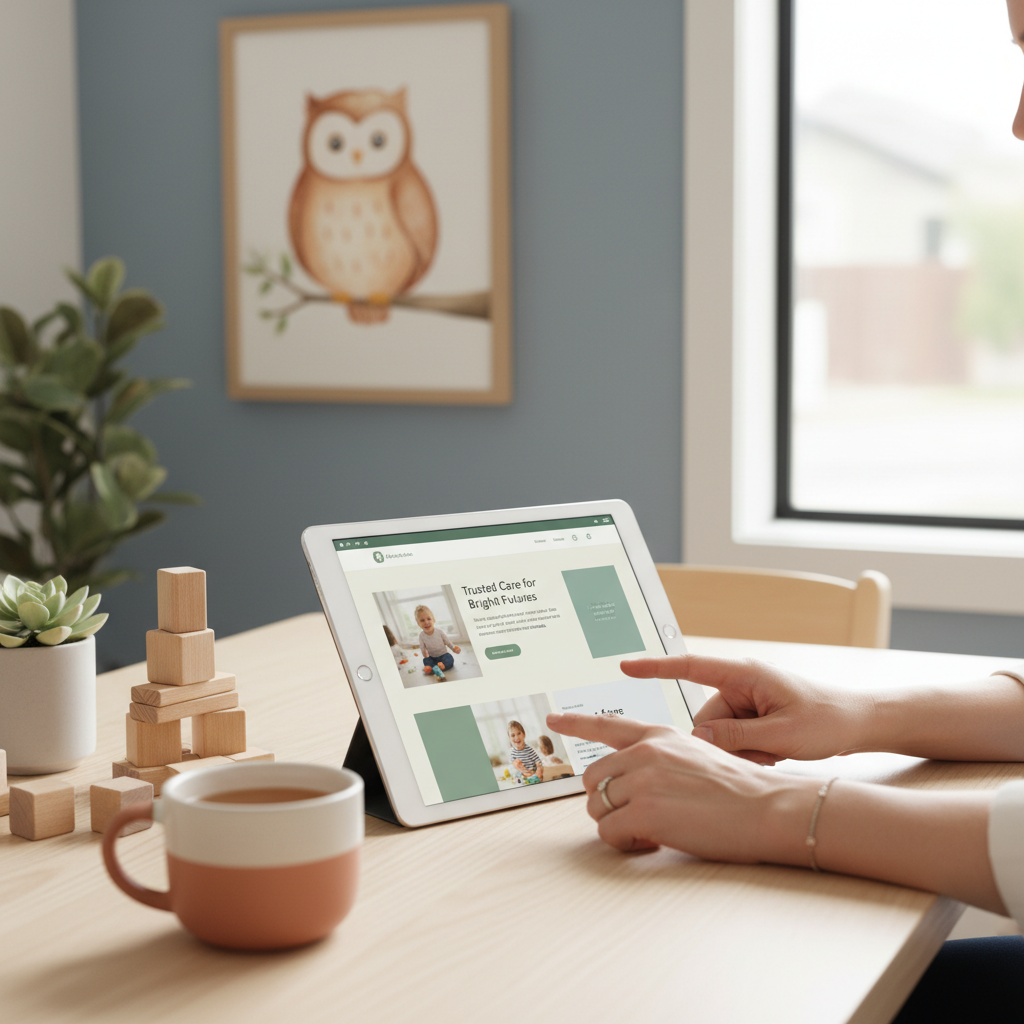
Understanding what every daycare website needs requires a shift in perspective. It isn't just about pretty colors or stock photos; it is about building a bridge of trust and convenience between your administration and busy families. When you invest in professional child care websites, you are building a tool that works for you 24/7.
1. A Mobile-First User Experience
Modern parents are tech-savvy and constantly on the move. They are often searching for child care solutions during a morning commute or over a lunch break. If your site doesn't load instantly on a smartphone, you have already lost the lead.
- Responsive Design: Your site must automatically adjust its layout for smartphones, tablets, and desktops.
- Thumb-Friendly Navigation: Ensure buttons are large enough to be tapped easily without zooming in.
- Fast Loading Times: Optimize image sizes and reduce heavy scripts to ensure a speedy experience.
2. High-Quality, Authentic Visuals
Stock photography is easy to spot and can feel impersonal to parents looking for a nurturing environment. Genuine photos of your facility, your staff, and your learning materials build immediate credibility. Make sure your photography highlights safety standards and clean, organized classrooms.
- Virtual Tours: Consider a 360-degree video tour to help parents visualize their child in your space.
- Staff Portraits: Professional headshots of your Director and teachers help humanize your brand.
- Classroom Highlights: Show specific areas like the reading nook, STEM stations, or the outdoor playground.
Visual storytelling is a core component of daycare marketing because it allows parents to see the value you provide before they even step foot in the building.
3. Clear and Prominent Calls to Action (CTAs)
If a parent arrives at your site and has to search for a way to contact you, your conversion rate will suffer. Every page should have one primary objective: getting the user to the next step. Usually, this means scheduling a tour or downloading a tuition guide.
- The Floating Sticky Button: Keep a "Book a Tour" button visible at all times, even as the user scrolls.
- Above the Fold: Your most important link should be visible without any scrolling.
- Multiple Contact Methods: Provide a phone number, a short contact form, and an email address.
Want this done for you?
Book a free Business Review Session and we'll map out exactly how to apply this to your setting.
Book my session →4. Transparent Tuition and Program Details
One of the biggest frustrations for parents is the "hidden price" model. While you might want to wait until a tour to discuss costs, providing a range or a clear "Tuition & Fees" section can filter out low-intent leads and save your staff hours of administration time. You can use our inquiry calculator to see how much your website traffic could actually be worth in revenue.
- Age Groups: Clearly list sections for Infants, Toddlers, Preschool, and Pre-K.
- Curriculum Overview: Mention if you follow Montessori, Reggio Emilia, or specific state-aligned standards.
- Licensing Info: Display your state licensing status and any accreditations like NAEYC or NECPA.
5. Social Proof and Parent Testimonials
Parents trust other parents more than they trust any marketing copy. A dedicated section for reviews can dramatically increase your enrollment rates. Do not just bury these on a single page; sprinkle them throughout your site to reinforce trust at every touchpoint.
- Video Testimonials: Short clips of parents talking about their positive experiences are incredibly powerful.
- Google Reviews: Integrating your live Google review feed shows that your reputation is current and verified.
- Success Stories: Detailed accounts of how your center helped a child reach specific developmental milestones.
For more advanced strategies on how to be found online, explore our guide on services for SEO to see how reviews impact your local search rankings.
6. A Comprehensive Careers Page
Your website isn't just for parents; it is also your primary recruitment tool. High-quality educators are the backbone of any successful center. If your "Careers" page is just an email link, you are missing out on top-tier talent. Improving your recruitment pipeline is essential for child care business growth.
- Benefits Summary: List health insurance, PTO, and professional development opportunities clearly.
- Easy Application: Use a simple form that allows candidates to upload a resume directly from their phone.
- Center Culture: Show photos of staff outings or teacher appreciation days to showcase your work environment.
7. Essential Safety and Health Information
In a post-pandemic world, health and safety remain top priorities for families. Dedicate a section of your site to your protocols. This demonstrates professionalism and a commitment to the well-being of every child in your care.
- Secure Entry: Mention your keypad entry systems or front-desk check-in procedures.
- Nutrition Policies: Detail your approach to allergy management and meal planning.
- Cleaning Protocols: Explain how often classrooms and toys are sanitized.
FAQs
Should I put my tuition prices on my website?
While some owners prefer to wait until a tour, transparency builds trust. If you do not want to list exact figures, consider a "Starting From" price or a downloadable tuition guide in exchange for an email address. This allows you to capture lead information while still providing the clarity parents crave.
What is the most important page on a daycare website?
Aside from the homepage, the 'Programs' page is crucial. Parents need to know immediately if you have openings for their specific child's age group and if your hours of operation match their work schedule. Ensure this information is updated and easy to find.
How often should I update my daycare website?
You should review your content at least once a quarter. This ensures your staff list is current, your blog is active, and your safety policies reflect current local guidelines. Regular updates also signal to Google that your site is active, which helps your search rankings.
Do I really need a blog for my child care center?
A blog is a powerful tool for SEO and building authority. By sharing tips on toddler behavior or early literacy, you position your center as an expert in child development. This builds long-term trust with prospective parents before they even meet you.
Optimizing your digital presence is the fastest way to ensure your center stays at full capacity. If you're ready to transform your online presence into a high-converting enrollment machine, we can help you get there. Book your free review session today to get started.