
Show Round Scripts That Convert Nursery Viewings
Transform your nursery tours into high-converting experiences with professional scripts and sensory-led techniques designed for modern UK settings.
In a nutshell
A successful nursery show round is more than a building tour; it is an emotional sales process. By using structured scripts and psychology-led techniques, you can increase your tour-to-enrolment conversion rate from 50% to over 80%.
Every nursery manager knows the frustration of a 'perfect' show round that ends with a parent saying, "I'll think about it," only for them to never return your calls. While your setting may have an Outstanding Ofsted rating and beautiful wooden toys, the way you speak to parents during those 30 minutes dictates whether they trust you with their child.
Standardising your approach with effective show round scripts that convert nursery viewings ensures that every potential family receives a consistent, high-value experience. This consistency is the backbone of sustainable childcare business growth and high occupancy levels.
The Psychology of the Nursery Show Round
Parents are not just looking for a childcare place; they are looking for peace of mind. Their decision is over 80% emotional and 20% logical. Your script should reflect this by focusing on 'the feeling' of the room rather than just the square footage.
- Emotional safety: Do they feel their child will be loved and protected?
- Developmental trust: Does the staff's language reflect high EYFS standards?
- Logistical ease: Does the nursery solve their daily commute or work-life balance headaches?
By using a structured script, you remove the 'sales' pressure from your staff. They no longer have to worry about what to say; they can focus on building a genuine connection with the parent and child.
Preparation: Setting the Stage Before They Arrive
The script begins before they even walk through the door. A well-prepared team creates an environment of professional excellence. Ensure your reception area is clear of clutter and that the staff are briefed on the child's name and age.
- Personalisation: Always use the child's name in your opening greeting.
- Sensory cues: Ensure the smell of fresh food or clean lavender is present, not nappies or bleach.
- Visuals: Have a digital gallery or physical photo book ready to show activities that aren't happening live during the tour.
If your digital presence is strong, the parents will already have a positive bias. Ensure your nursery website has already primed them with clear values and professional imagery so the show round feels like a confirmation of quality.
Opening the Tour: The Discovery Phase
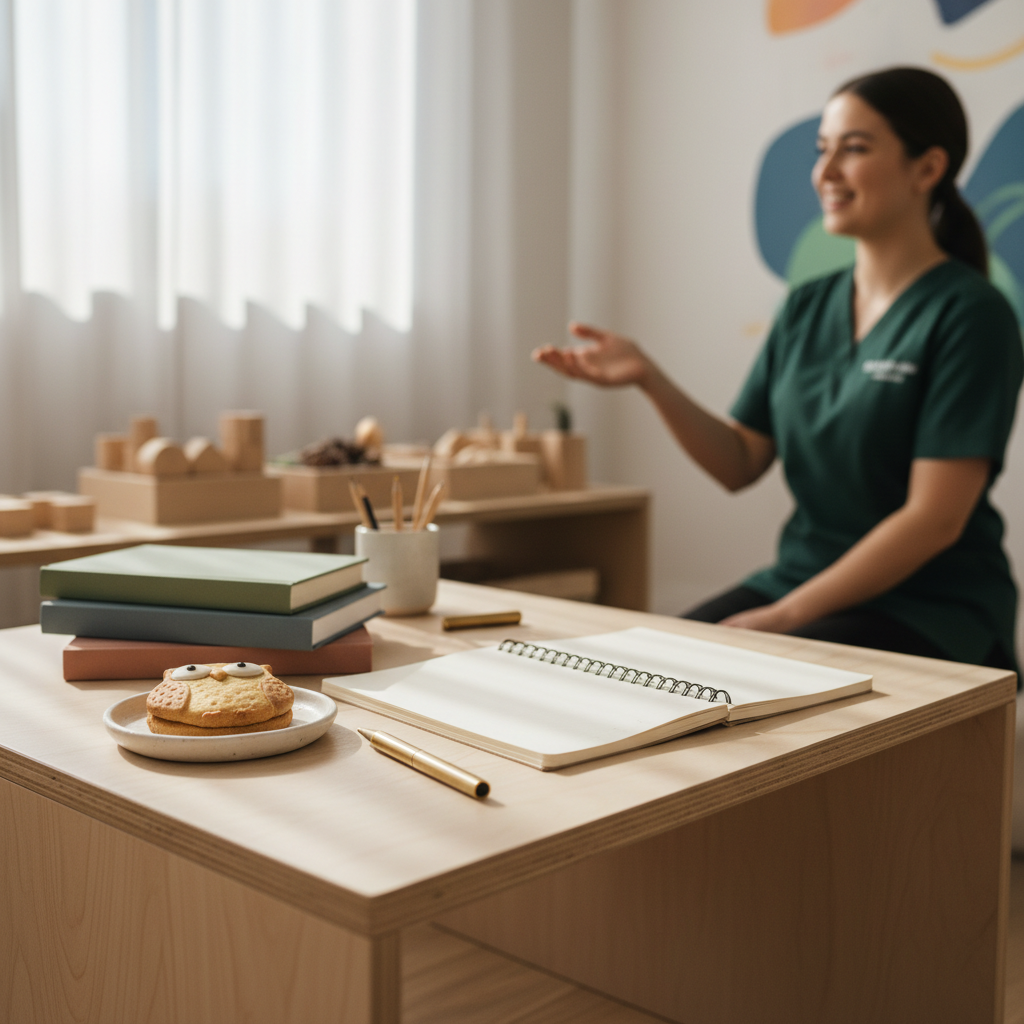
Don't start by walking. Start by sitting. The most successful show round scripts that convert nursery viewings begin with a five-minute 'consultation' over a cup of tea or water. This is where you uncover their 'pain points'.
"We are so pleased to meet [Child's Name]. Before we head into the rooms, I’d love to understand what’s most important to you when choosing a nursery. Is it the outdoor play, the transition to school, or perhaps the social interaction?"
By asking this, you know exactly which parts of the nursery to emphasise. If they care about the EYFS curriculum, you spend more time at the interest tables. If they care about safety, you highlight your CCTV and keypad entry systems.
Moving Through the Rooms: The Benefit-Led Script
Avoid 'this-is' syndrome. "This is the baby room. This is the sand pit." Instead, use 'which means' language. This connects a feature to a direct benefit for the child or parent.
- The Feature: "We have a full-time onsite chef who prepares all meals from scratch."
- The Benefit: "Which means you won't have to worry about [Child's Name]'s nutrition or evening meal habits, as they will have had a balanced, hot lunch here."
- The Feature: "We use a digital app for all daily diaries and observations."
- The Benefit: "Which means you'll get real-time photos of [Child's Name] playing while you're at work, giving you total peace of mind."
This approach transforms a simple walk-through into a persuasive narrative that justifies your fees and differentiates you from the competition down the road.
Want this done for you?
Book a free Business Review Session and we'll map out exactly how to apply this to your setting.
Book my session →Handling Objections with Confidence
Objections about price or funded hours are common. Your script should have pre-prepared 'rebuttals' that are polite but firm about your value. When a parent mentions a cheaper setting, don't criticise the competitor; highlight your unique investment.
"I understand that price is an important factor. Our fees reflect our commitment to higher-than-required staff ratios and our continuous investment in outdoor learning environments. Parents usually find that the extra progress their child makes here provides enormous long-term value."
If you find you are constantly defending your price, it may be time to revisit your local nursery SEO strategy to ensure you are attracting families who value quality over the lowest possible cost.
The Closing: The 'Next Step' Script
Never let a parent leave with just a brochure. The final part of your script is the 'Assumptive Close'. Instead of asking "What do you think?", provide a clear path forward.
"It was lovely meeting [Child's Name] today. Based on what you’ve said about wanting a Septmeber start, I would recommend we look at the registration paperwork now. We only have two spaces left for that intake, and I’d hate for you to miss out on the sessions you need."
This creates a subtle sense of urgency. If they aren't ready to sign yet, schedule a 'follow-up' call right then and there. Put it in your diary in front of them. This shows you are organised and that their child's place matters to you.
Post-Tour Follow-Up: Keeping the Momentum
The tour doesn't end when the door closes. A personalised follow-up email or hand-written card sent within 24 hours can be the final nudge. Mention something specific about the child that you discussed during the tour.
- Reference a specific interest the child showed (e.g., "We've put out the dinosaurs [Child's Name] loved for their trial session!").
- Attach your latest Ofsted report or a 'Parent Testimonial' pack.
- Remind them of the deadline for funded hours applications to provide helpful value.
For settings looking for rapid childcare business growth, automating these follow-ups via a simple CRM can ensure no lead ever falls through the cracks.
FAQs
How long should a nursery show round last?
A high-converting show round typically lasts between 20 and 40 minutes. This provides enough time to build rapport and showcase the setting without overwhelming the parent or disrupting the children's routine. If it takes longer, you may be over-explaining features rather than focusing on the parent's specific needs.
What is the best time of day for a nursery tour?
Mid-morning (around 10:00 AM) is often ideal as children are actively engaged in play and learning, but it is before the lunch and nap-time rush. This allows parents to see the EYFS curriculum in action and observe the positive interactions between staff and children in a calm environment.
Should I talk about fees during the show round?
Yes, but only after you have demonstrated the value of your setting. Discussing fees too early makes the session a transaction; discussing them at the end makes it an investment. Always provide a clear, printed fee sheet that explains what is included, such as meals, nappies, or extracurricular activities.
How do I handle a parent who brings up a negative Ofsted comment?
Be transparent and proactive. Use a script that acknowledges the feedback, explains the specific actions taken to rectify it, and invites them to see the improvements for themselves. Honesty builds more trust than evasion, and most parents respect a manager who is committed to continuous improvement.
Should children attend the show round?
Absolutely. Seeing how a child reacts to the environment and the staff is the strongest selling point you have. If a child feels comfortable and starts playing, the parent’s emotional barrier drops significantly. Always include the child in the conversation and have a small 'welcome' activity ready for them.
Mastering your show round scripts is one of the most cost-effective ways to grow your nursery. By focusing on benefits, addressing concerns head-on, and closing with confidence, you turn more enquiries into loyal families. If you want to refine your entire enrolment funnel, book a session with our team today.